Environmental Care

HOME ESG PERFORMANCE Environmental Care
Management Operation Method

Taisun, besides learning to identify operational risks brought about by climate change, also refers to the TCFD (Task Force on Climate-Related Financial Disclosures) recommendations published by the Financial Stability Board (FSB). The company has incorporated the four core disclosure elements – “Governance,” “Strategy,” “Risk Management,” and “Metrics and Targets” – into its operational management. Furthermore, Taisun discloses the impacts of climate change-related risks and opportunities, as well as potential response measures, in its sustainability report.

1. Governance

The ESG Sustainable Development Committee is responsible for overseeing climate-related risk management and approving climate strategies and targets. Climate-related response measures are jointly decided by the ESG Committee and approved by the chief commissioner for implementation. The committee reports to the board of directors annually, with the board monitoring implementation effectiveness.

In 2023, one report was made to the board regarding significant opportunity and risk assessments, including financial risks, product opportunity risks, and carbon fee impacts.

2. Strategy

The company refers to the IPCC’s Sixth Assessment Report (AR6) and the Environmental Protection Administration’s goal of limiting temperature rise to 1.5°C. They use the TCCIP (Taiwan Climate Change Projection Information and Adaptation Knowledge Platform) tools to assess physical risk scenarios. The company has adopted a scenario of limiting global warming to below 2°C for assessing physical and regulatory transition risks.

① Transition Risk∣Policy and Regulatory Risk
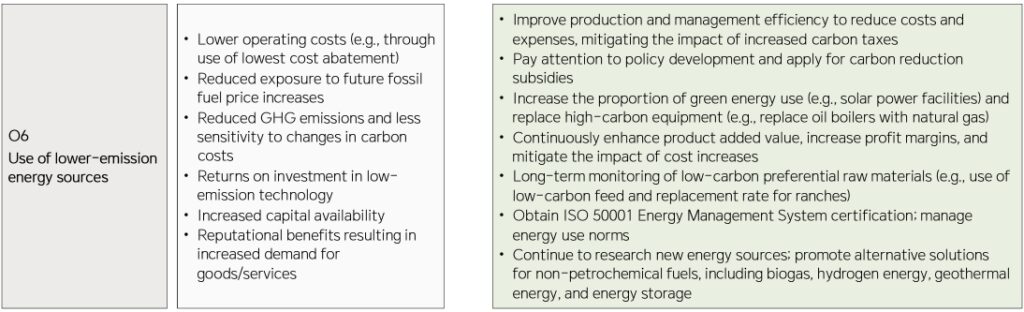
The “Climate Change Response Act” will impose carbon fees on high-emission products with direct or indirect emissions starting in 2025, potentially increasing our company’s operational costs, although it won’t impact overall operations. Our company completed greenhouse gas inventory education and training in 2020 and has introduced management approaches such as utility equipment replacement. We plan to establish reasonable and achievable carbon reduction targets in 2024.

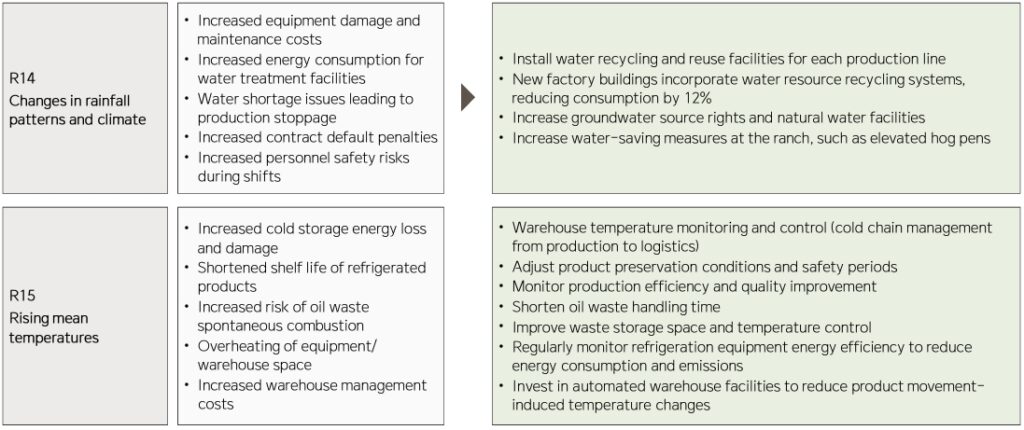
After the century’s severe drought, there’s a consensus among political and social sectors regarding the Water Resources Agency’s plan to levy water consumption fees. Our company was included in the “water consumption fee” collection targets in 2022, bringing groundwater into the national charging system. In compliance with government policies, we’re approaching this from water conservation and recycling perspectives, with food safety as the fundamental principle. We’ve begun economizing on product cooling, packing materials improvements, and personnel water usage to reduce water withdrawal.

② Physical Risk∣Immediate
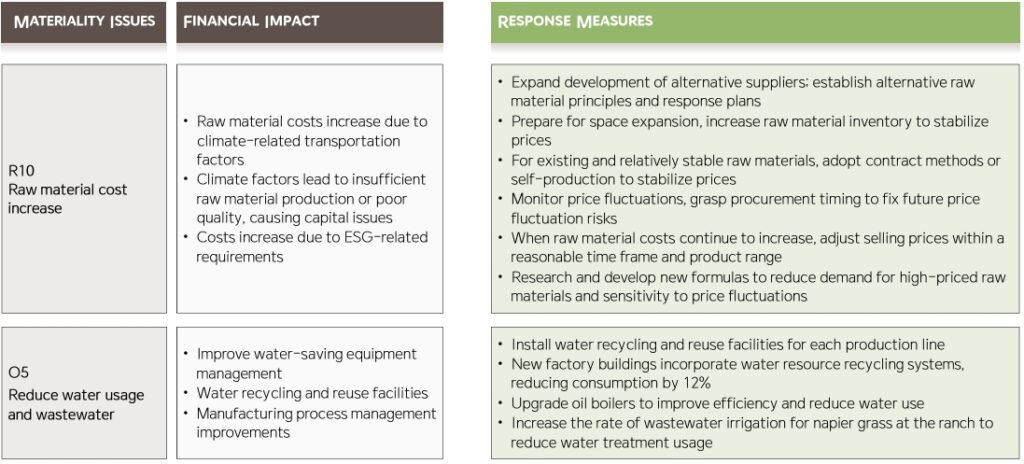
Due to increased extreme weather events, the frequency of typhoons, heavy rains, thunderstorms, and high temperatures has increased. Although our factories are located in central Taiwan near mountainous areas with relatively low probabilities of wind and flood disasters in the past, poor management of oil waste products potentially caused by high temperatures could lead to spontaneous combustion. Sudden storms will also increase operational impacts such as water source purity treatment and equipment damage in the plant area, causing financial losses.

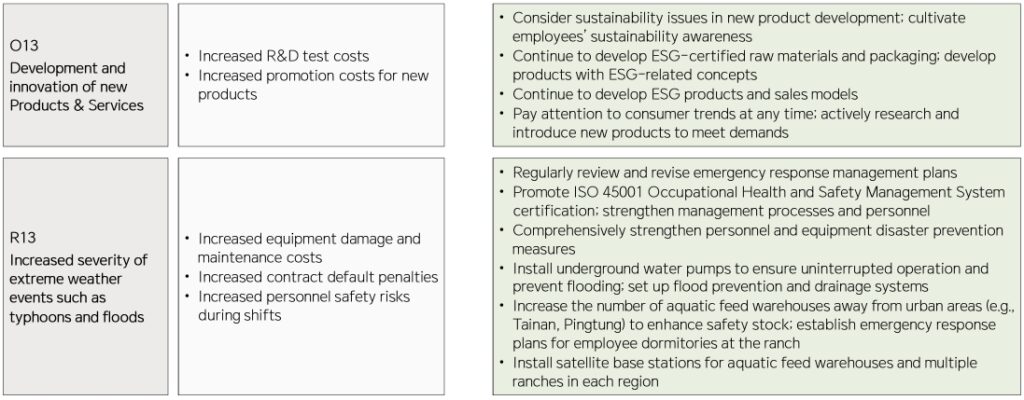
Although our factory equipment and warehouses have little experience with major water disasters, Taisun still prioritizes waste recycling management, preventive maintenance of plant drainage systems and equipment, installation of water and disaster prevention response systems, and increasing and flexibly adjusting storage space. This ensures normal products load-out while also preparing mechanisms to deal with disasters affecting consumer food group customer warehouses and livestock group customers, maintaining operational development and reducing immediate significant risks.

Moreover, extreme climate affects raw material procurement, upstream and downstream transportation interruptions, and personnel safety. We expect this situation to lead to shortterm cost increases in various areas. Our company uses diverse procurement channel cooperation, combined order transportation, transportation route consolidation, and alternative subcontracting to achieve carbon reduction and avoid product and human resource losses.

③ Resource Efficiency Opportunities
In addition to complying with government water resource conservation policies, our company has begun to inquire about water recycling system planning. However, due to equipment system and recycling site factors, the Sustainable Development Committee currently has no optimal solution after evaluation. We expect this case may increase operational costs financially, but in the long run, it’s still an effective solution that is environmentally friendly and gradually reduces clean raw water extraction.

Risk Management

In 2022, our company’s ESG Sustainable Development Committee launched a “TCFD Climate Change-related Financial Disclosure” survey. They convened relevant members in meetings to jointly assess potential risks the company may face due to climate change, identifying risk sources, conducting risk analysis and assessment, and addressing risks to continuously reduce impact. They discussed and identified transition risks (policy and regulations, technology, market, reputation), physical risks (immediate risks, long-term risks), and opportunities (resource efficiency, energy sources, products/services, market, resilience). Considering the time frame, the assessment intervals are short-term (1-3 years), medium-term (3-5 years), and long-term (over 5 years). The top 10 in each interval are prioritized, with short-term risks addressed first. Medium and long-term risks are evaluated based on company resources. Annual reviews of strategic actions assess the effectiveness of target implementation. If necessary, risk discussions and identification are conducted again. In principle, risk management items are reviewed every 3 years for appropriateness.
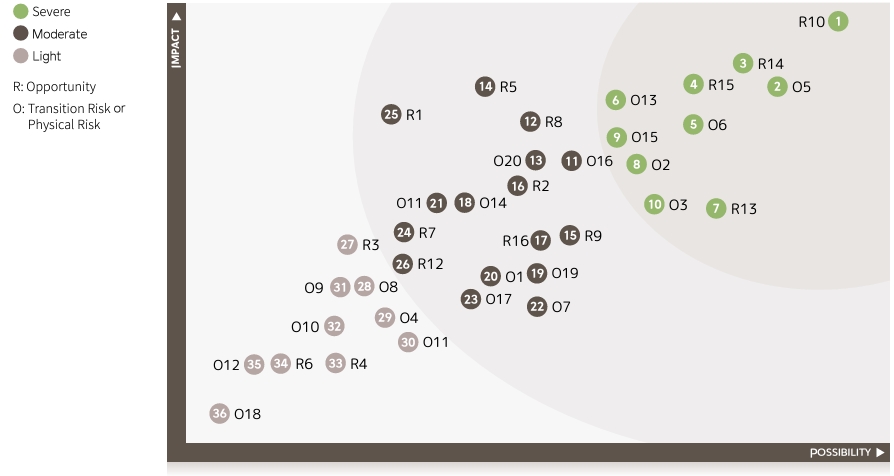
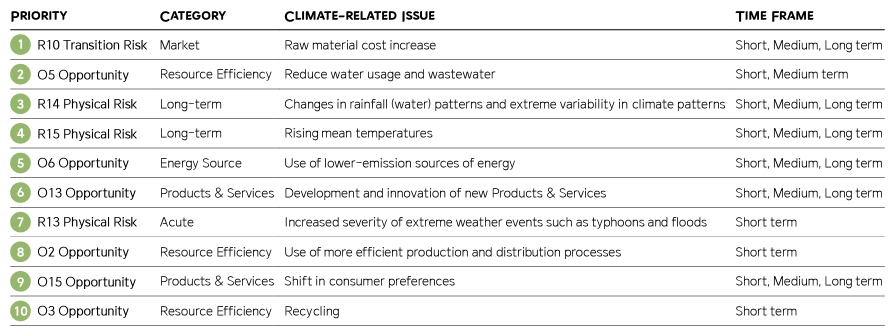
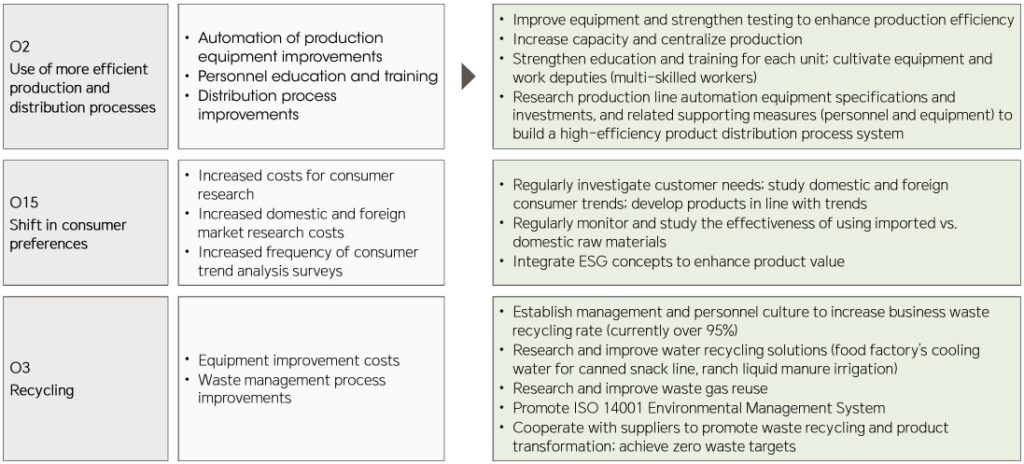
Response Measures for Top Ten Issues
Metrics and Targets
  • Since 2020, the company has been conducting annual internal greenhouse gas emission inventories following ISO 14064-1:2018, with third-party verification planned for 2026.
  • Annual budgets are allocated for process improvements and equipment updates to reduce energy consumption.
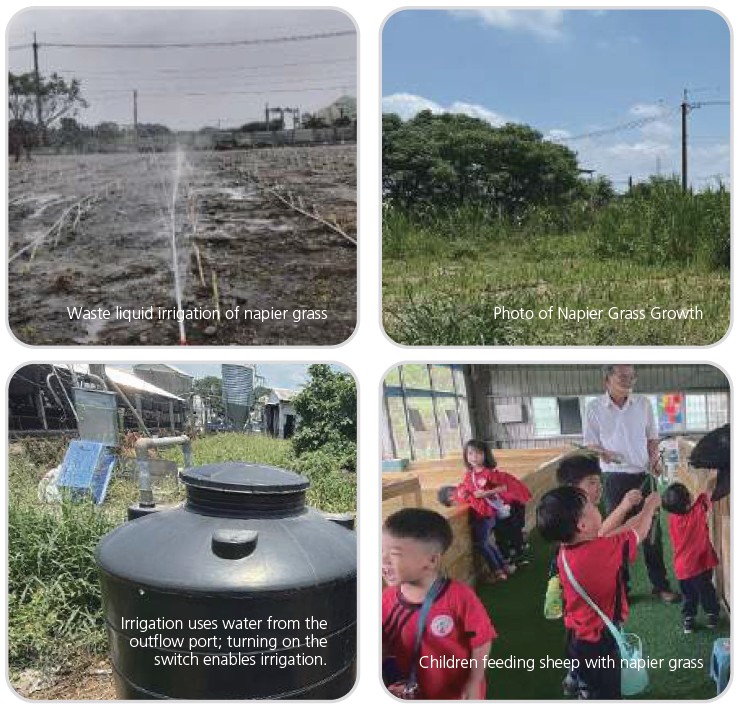
  • The company aims to increase the rate of ranch wastewater irrigation for napier grass to 10% by 2026, reducing water treatment usage. The 2023 target of 5% was successfully achieved.
  • After implementing water recycling policies in 2023, water withdrawal was reduced by 2%, with a target of 5% reduction by 2026.
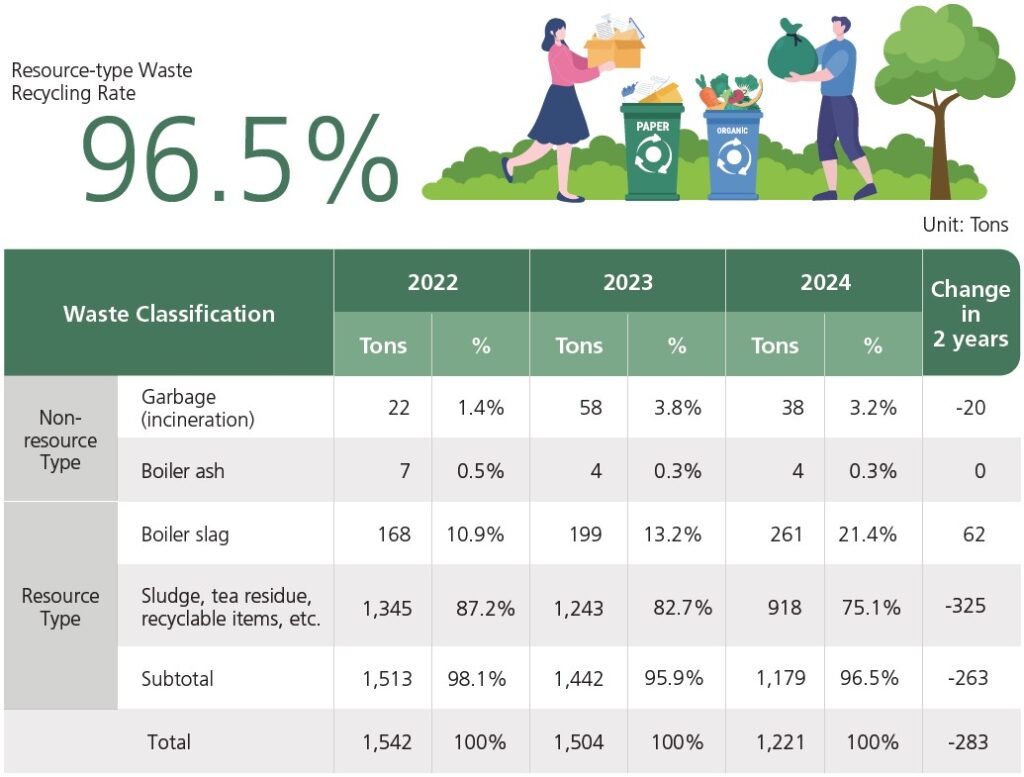
  • The company has established a management and personnel culture to increase business waste recycling rates, achieving over 95% in 2023 and aiming to maintain this level.

TaiSun actively implements three main goals for waste management: “Minimize waste production, maximize resource recycling, and optimize Supplier Management.”

Through production process control and operational improvements, the company reduces in-plant waste while also reducing waste treatment costs. The entire plant operates on the principle that “reduction is better than treatment, and source control is better than recycling.” Annual audits of contracted vendors and transportation management are conducted to ensure legal waste handling and prevent illegal dumping. The company takes responsibility for waste collection, treatment, and flow management, tracking vendors’ implementation of waste treatment and resource recycling. This is reported to the ESG Sustainability Development Committee, with the industrial waste management plan serving as the main tracking mechanism.

Food Factory Management Results

  • In 2024, there were 4 identified types of waste handled by contracted vendors. A tracking responsibility survey of their waste management was conducted, with 4 inspections and 4 transportation follow-ups conducted and with all meeting regulatory requirements. These are included in the waste vendor selection list.
  • The food factory produced 42 tons of non-resource waste in 2024(Note).
  • In 2024, the food factory produced a total of 1,179 tons of resource-type waste, with a recycling rate of 96.5%.
  • Items still within expiration date are mainly used for animal feed and employee distribution to reduce waste.

Note: The total output of non-resource type waste was 42 tons, including 38 tons of garbage (incinerated) and 4 tons of ash.

Note:
• The small amount of waste from the oil factory is included in the food factory calculation.
• All non-resource type waste is incinerated; resource type slag is reused in unreinforced concrete; sludge is used as regenerated fuel, tea residue is composted into fertilizer.

1. Water Resources Management and Wastewater Discharge

As a major food manufacturer, TaiSun requires water resources for raw material and equipment cleaning, beverage production, and machine sanitation. Effective water management is crucial. Taiwan faces climate change and environmental impacts, leading to uneven rainfall distribution, increased heavy rainfall, insufficient flood drainage systems, and river sedimentation reducing reservoir capacity. This has resulted in recurring droughts and floods in recent years, with clean river water sources also decreasing. TaiSun’s production mainly uses groundwater, which undergoes treatment and sterilization. Daily pH and residual chlorine checks and monthly microbiological tests are conducted to control water quality. Water resource usage is controlled, and process management improves water conservation efficiency.

Food manufacturing wastewater often contains suspended solids, oils, and sugars from raw materials. Production wastewater cannot be reused in-plant and requires treatment before discharge. TaiSun’s wastewater needs to pass
through a buffer tank → filtration → adjustment tank → primary sedimentation tank → water extraction well → buffer tank → anaerobic tank → activated sludge tank → final sedimentation tank before it can be discharged to the controlled discharge outlet to ensure that wastewater discharges will not impact nearby farmland and sewers. Quarterly monitoring of wastewater’s Biological Oxygen Demand (BOD), Chemical Oxygen Demand (COD), and Suspended Solids (SS) is conducted. Sludge is regularly reported through waste clearance forms and legally transported for disposal.

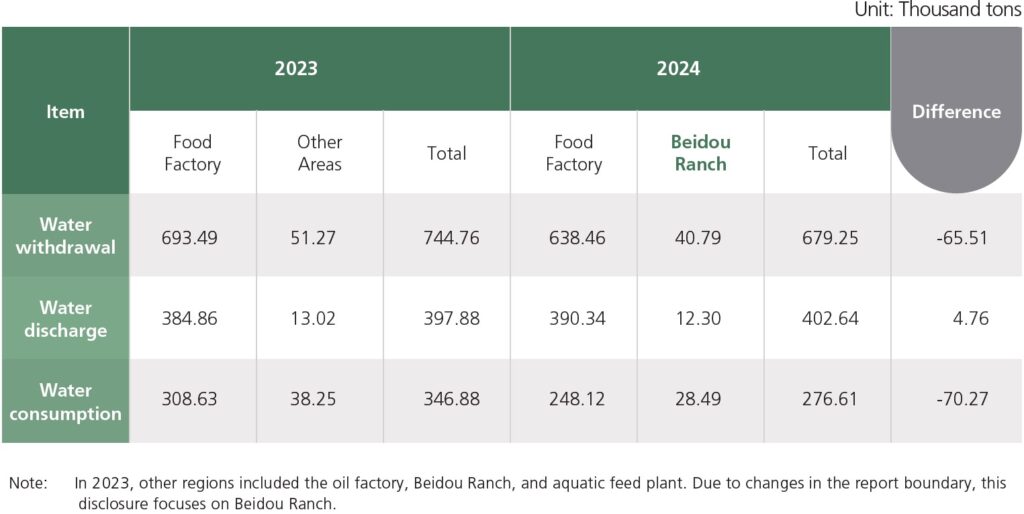
The table below presents the data on water intake and discharge of production water resources at the TaiSun plant. The total water intake amounted to 679.25 thousand tons in 2024, while the total water discharge reached 402.64 thousand tons. Consequently, the total water consumption was 276.61 tons. Water intake decreased by 65.51 thousand tons, while discharge increased by 4.76 thousand tons.

2. Beidou Ranch Waste Liquid Recycling Project

The feces and urine wastewater produced by the livestock industry, which are
the most harmful pollutants in farming industry would cause pollution if directly discharged into rivers. However, if treated, it can be transformed into agricultural fertilizer, not only reducing river pollution but also reducing electricity costs and chemical fertilizer use, leading to healthier and more productive crops. In January 2023, TaiSun’s Beidou Ranch obtained a legal permit for waste liquid irrigation from the Changhua County Government, resourcefully using livestock manure. The first phase recycles 5% of waste liquid, used to irrigate napier grass planted at the ranch, and provides it to nearby farmers as forage for sheep, promoting a circular economy.

Factory Management Status

In 2024, various factory energy improvement operations were actively carried out, including:
• Food factory natural gas boiler replacement project: In 2024, the construction of high-pressure natural gas pipeline completed, and the subsequent installation of the natural gas boiler installation project also completed in the third quarter.
• Initiated green energy survey, engaging in discussions regarding the feasibility for solar panel installation.

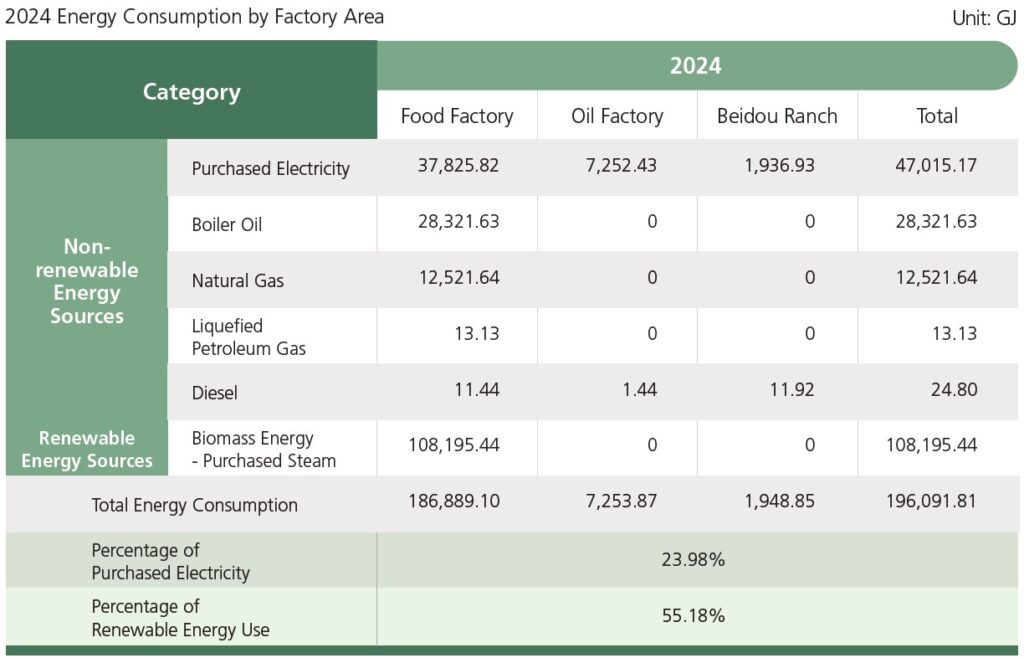
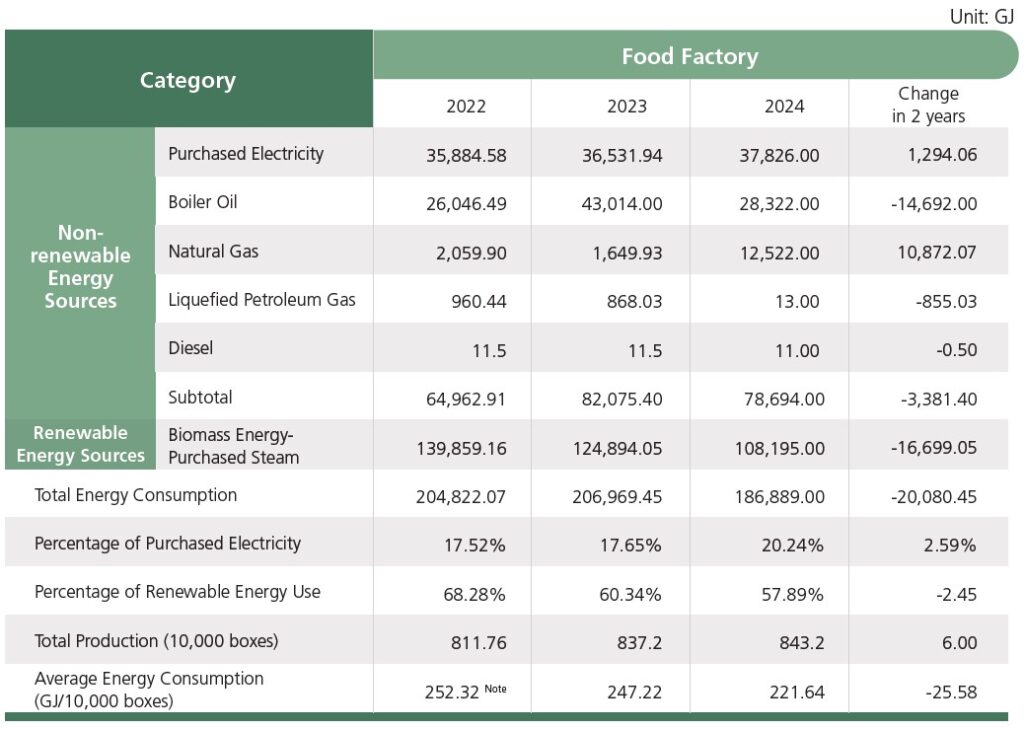
In 2024, the total energy consumption of the food factory was 186,889 GJ; the oil factory’s total energy consumption was 7,253 GJ. The food factory used biomass boiler renewable energy, accounting for 55.18% of the food factory’s energy use,, which is similar to last year’s renewable energy share of 55.26%.

TaiSun’s energy management focuses on biomass energy. The secondary energy source in 2024 – boiler oil – is the main source of carbon emissions. The planned switch to natural gas boilers in the third quarter of 2024 will greatly
contribute to carbon reduction.

Additionally, effective control of unit electricity consumption is also a key to achieving net-zero carbon emissions. The company aims to reduce annual unit electricity usage through regular internal energy consumption statistics, early replacement or reduction of old machinery, and process improvements to control energy consumption.

Note:

  • The coefficients used, except for biomass energy which references external test reports, are based on the heat values from the Environmental Protection Administration’s Greenhouse Gas Emission Factor Management Table version 6.0.4: Electricity: 1 kWh = 860kcal, Boiler oil: 1 L = 9,600 kcal, Natural gas: 1 M3 = 8,000 kcal, Liquefied petroleum gas: 1 kg = 12,062 kcal, Diesel: 1 L = 8,400 kcal, Biomass energy: 1 kg = 3,838 kcal
  • The diesel usage for generators is calculated based on the model and frequency of use; forklift procurement volume is calculated using the average diesel price for 2024 from the Bureau of Energy’s Oil Price Information Management and Analysis System.
  • According to the Kyoto Protocol regulations, wood pellet fuel is classified as biomass fuel, which is an emerging renewable energy source. Therefore, the use of wood pellets as fuel is considered renewable, and the suppliers are approved by the Environmental Department to obtain reuse permits.
  • Currently, the boiler oil consumption for all oil factories is recorded under the food factory category; therefore, the data regarding boiler oil usage in the oil factories remains blank.

1. Food Factory

In 2024, the food factory’s energy consumption decreased by 20,080.45 GJ compared to the previous year, while total production increased by 60,000 cases. The energy consumption per unit dropped by 25.58 GJ per 10,000 cases year-on-year. In 2024, the total energy consumption, from highest to lowest proportion, was: biomass energy, electricity, boiler oil, natural gas, liquefied petroleum gas, and diesel. In 2024, the food factory allocated TWD20 million to replace oil-fired boilers with natural gas boilers in an effort to reduce carbon emissions. The new system has commenced operations. In 2024, the natural gas boiler replacement project for one heavy oil boiler is expected to reduce carbon emissions by approximately 556 metric tons of CO2e per year, a reduction of 16.7%.

Note: Following confirmation, a portion of the previously recorded liquefied petroleum gas has been reclassified as propane, which is utilized for mobile sources. Consequently, adjustments were implemented in 2024, leading to a decrease compared to the figures from 2023.

2. Oil Factory

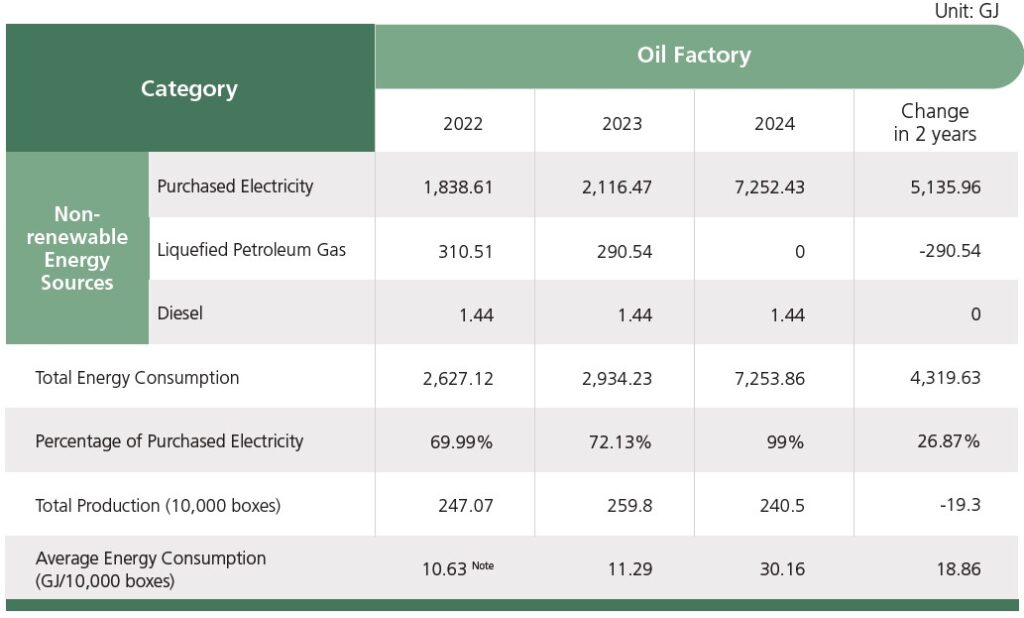
Since boiler fuel oil usage for 2024 has been included in the food factory’s energy statistics, and the energy data for the oil factory also includes allocations for the aquaculture feed factory that has ceased operations, it is not possible to accurately calculate the actual energy consumption exclusive to the oil factory for this year. The total production volume for this period decreased by about 193,000 cases compared to the previous period. In addition to the aforementioned factors, adjustments in the product structure of oil products also influenced unit energy consumption, resulting in an upward trend in specific energy use. In the future, the Company will continue to optimize processes and replace high-energy-consuming equipment to improve energy efficiency, reduce product unit energy consumption, and achieve sustainable operation goals.

Note: Due to a decrease of about 193,000 cases in total production volume in 2024 compared to 2023, the average energy consumption has increased.

3. Beidou Ranch

In 2024, Beidou Ranch’s unit electricity consumption increased by 0.45 GJ/ton compared to 2023, a growth of 0.18%. This was mainly due to animal welfare considerations, such as adding an uninterruptible power system to the farrowing house (ensuring continuous ventilation for sows and heat lamps for piglets, reducing cold stress during cold waves), and enhancing the ventilation system in the finishing pig house to reduce heat stress for large pigs.

GHG Emission Management

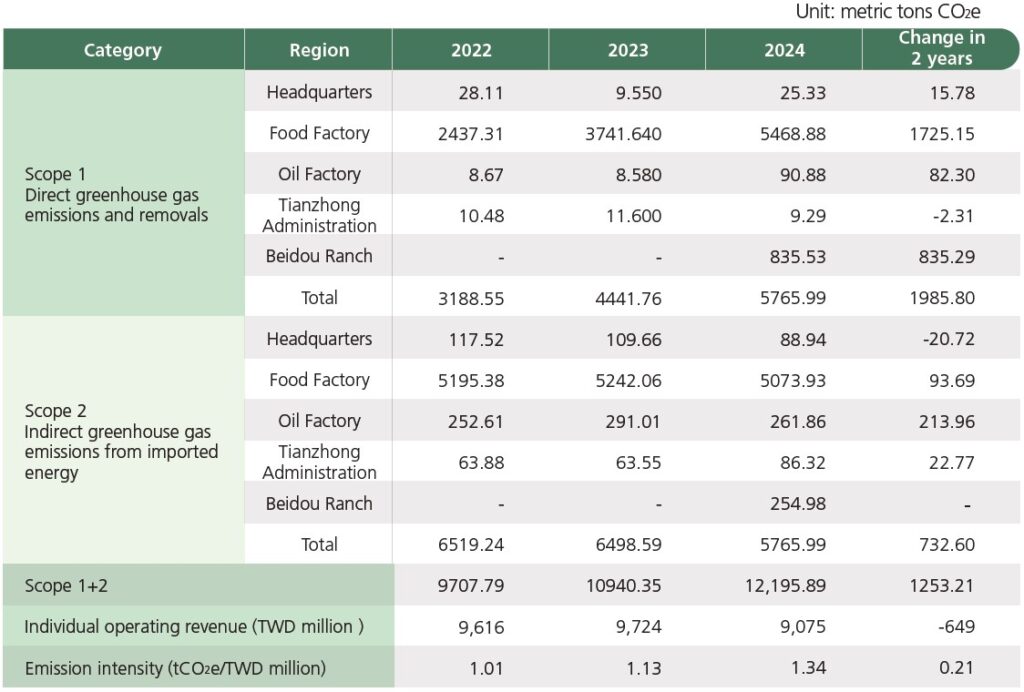
This year, there were significant changes to the boundary of the inventory, with the exclusion of the feed factory. As a result, the boundary and baseline for this report have changed significantly. The aquaculture feed factory ceased operations in 2024, and a new livestock farm was added to the inventory. Therefore, the baseline year has been changed to 2024. The Taipei headquarters adjusted official vehicles and replaced ice water units in 2023, resulting in a significant reduction in Scope 1 carbon emissions for the headquarters. Due to reduced output, the Tianzhong feed factory ceased production in 2024, leading to a decrease in overall electricity consumption and, consequently, a reduction in Scope 2 emissions. However, the food factory’s overall carbon emissions increased due to increased production. In 2024, emission intensity increased by 0.21 (tCO2e per TWD million). Looking ahead, by converting oil-fired boilers to natural gas boilers and monitoring production efficiency while testing various improvement measures—such as centralized production management for material and related production, reducing cleaning, changeover, and transportation operations, effective average management, and lowering unit energy consumption—we aim to achieve tangible results in GHG emission reduction.

This inventory underscores that, owing to TaiSun’s dedicated efforts, there has been a notable and substantial reduction in Scope 2: indirect energy consumption.

Note:
• This carbon inventory focused on adjusting and implementing the scope of individual emissions. This year, it also included calculations for wastewater treatment from food factories (2,225.4966 metric tons CO2e).
• Therefore, although the inventory figures for the food factory seem to indicate an increase, excluding the calculations related to wastewater treatment reveals that the comparison with the previous year actually reflects a decrease of 500.3487 metric tons CO2e.
• As for TaiSun Oil Factory, there is a difference compared to the previous year, as TaiSun Enterprise has progressively implemented comprehensive carbon emission calculations for each factory area. This initiative is part of its efforts in energy conservation and carbon reduction. Therefore, the emissions of LPG propane from mobile sources, which were previously aggregated with those from the food factory, have now been accurately delineated. This separation has resulted in a significant discrepancy in numbers.
• This year, Beidou Ranch has been incorporated into the inventory, resulting in an increase in carbon emission intensity. This change is
primarily attributed to the inclusion of a new entity. Consequently, the carbon emission intensity exhibits an upward trend.

1. Factory Management Status

TaiSun regularly conducts gas emission testing, reducing emissions through equipment improvement and process control, seeking alternative energy sources, strengthening fuel quality management and supplier management,
improving process efficiency and fuel quality management, and reducing plastic packaging weight to control gas emission reduction and ensure compliance.

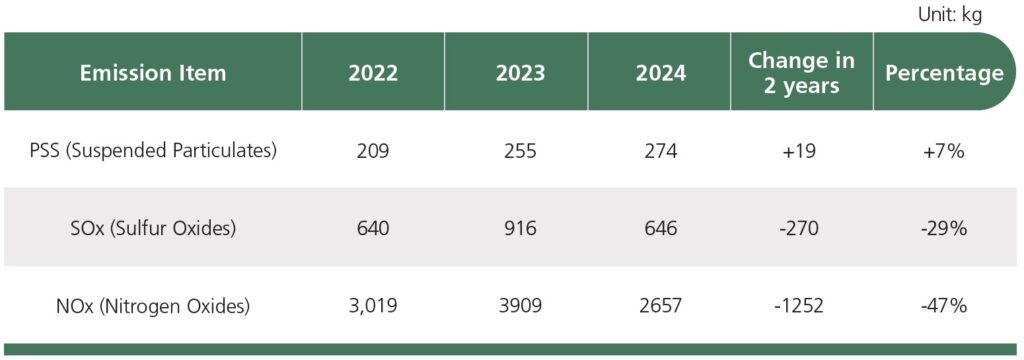
In 2024, the food factory’s biomass boiler air pollution emission testing and reporting included suspended particulates, sulfur oxides, nitrogen oxides, and dioxins. The oil-fired boiler testing and reporting for suspended particulates, sulfur oxides, and nitrogen oxides all complied with current environmental regulations. Natural gas boilers are exempt from testing and reporting.

The food factory’s air pollution emissions increased in 2023 compared to 2022 due to the increased use of oil-fired boilers during biomass boiler renovations. To enhance sustainability, TaiSun replaced the oil-fired boiler with a natural gas boiler in 2024, which will reduce emissions of suspended particulates, sulfur oxides, and nitrogen oxides.Therefore, the 2024 data show some changes compared to 2023: suspended particulates increased by 19 kg, sulfur oxides decreased by 270 kg, and nitrogen oxides decreased by 1,252 kg.

2. Food Factory Gas Emission Testing